Deciding whether to keep a towering oak or a sentimental maple is a significant choice for any property owner. Trees provide shade, character, and environmental benefits, but they can also become a liability if their health or stability declines. Determining if tree removal is necessary requires a careful balance between preserving natural beauty and ensuring the safety of your home and family. At Reverie Tree Experts, we help you navigate this decision by looking at the long-term impact on your landscape’s health.
5 Critical Factors for Evaluating Your Trees
1. Trunk Damage and Internal Decay
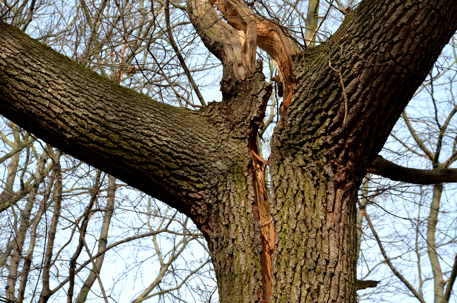
The trunk is the lifeline of your tree, and significant wounds can compromise its ability to transport nutrients and maintain its weight. Look for large vertical cracks, "seams," or areas where bark is peeling away, revealing rotting wood. If more than half of the trunk is damaged or hollow, the tree is often considered a high-risk candidate for removal.
2. Large Dead Branches in the Canopy
A few dead twigs are normal, but large, leafless limbs—often called "widow-makers"—pose a direct threat to anything underneath them. If over 25% of the tree’s branches are dead or dying, the tree is likely in a state of decline that cannot be reversed. Removing these trees prevents unpredictable falling debris during our local storms.
3. Root Health and Soil Heaving
A tree is only as stable as its root system. If you notice fungi or mushrooms growing around the base, it often indicates root rot. Additionally, if the soil is "heaving" or lifting on one side of the tree, it may be a sign that the tree is leaning and that its roots are no longer effectively anchoring it to the ground.
4. Proximity to Structures or Power Lines
Even a healthy tree can become a hazard if it is growing too close to your home’s foundation or interfering with utility lines. Over time, invasive root systems can damage pipes and sidewalks, while overhanging branches can cause roof damage. In these cases, we evaluate if the tree can be saved through pruning or if removal is the only permanent solution.
5. Species and Structural Lean
Some tree species are more prone to brittle wood or weak crotches, making them less desirable near high-traffic areas. Furthermore, while a natural lean is common, a sudden lean usually indicates a structural failure. We assess the lean and the species' characteristics to determine whether the tree's architecture poses a danger to your property.
Expert Guidance for Your Property
Navigating these signs can be difficult, but you don't have to do it alone. Our team is dedicated to providing honest assessments and sustainable solutions that prioritize both safety and the local environment. Whether your tree needs a health boost or a professional removal, we are here to provide the expertise your landscape deserves.
Choosing the right path for a hazardous tree protects your investment and your peace of mind. By addressing these issues early, you can ensure that your outdoor space remains a safe and beautiful retreat. For a professional evaluation of your trees or to discuss a project, reach out to Reverie Tree Experts at (267) 508-7102.