
Understanding Pennsylvania's Climate Zones
Selecting the best trees for your yard involves more than just aesthetics; it requires a keen understanding of Pennsylvania's diverse climate zones. The state spans multiple USDA Hardiness Zones, from 5a in the northwestern regions to 7b in the southeastern parts. Each of these zones experiences winter differently, and this variation influences which tree species thrive. Homeowners must first identify their specific hardiness zone, which determines the range of temperatures their plants can withstand. The right choice of trees can offer not only resilience to frigid temperatures but also long-term beauty that complements your landscape year-round. Understanding the climatic nuances of your region helps in making informed decisions, ensuring your trees not only survive but thrive even in the toughest winters.
Recommended Winter-Hardy Tree Species
You can embrace the cold in your yard by planting winter-hardy trees. Species such as Eastern Hemlocks, Red Oaks, and White Pines are exceptionally suited for Pennsylvania's frosty conditions. These trees provide robust resilience thanks to their hardiness ratings and have specific requirements. For example, Eastern Hemlocks flourish in well-drained, slightly acidic soils and enjoy partial to full sun. Red Oaks, with their striking autumn foliage, need a sunny location and well-drained soil, whereas White Pines can adapt to various soil conditions but prefer full sun. Selecting the right species, aligned with your local conditions, ensures that even as snow blankets your landscape, your trees stand tall, ready to burst into vibrancy with the arrival of spring.
Pruning Techniques and Timing
Proper pruning before winter sets in is crucial for maintaining tree health and structure. Winter pruning involves the meticulous removal of dead or damaged limbs, which reduces the risk of disease and insect infestation. The key is timing—typically, late fall or early winter, when trees are dormant. This period minimizes stress on trees and potential exposure to pathogens. Pruning cuts should be clean and executed at the branch's collar to promote healing. Avoid over-pruning, which can leave trees vulnerable to winter elements. A well-pruned tree can better endure heavy snow and ice, enhancing safety on your property and preparing your landscape for a vibrant reawakening come spring.
Applying Mulch for Insulation
Mulching is more than just a protective blanket for your trees; it's a vital shield against winter's icy grip. By retaining soil moisture and regulating temperature, mulch guards roots from the extremes of Pennsylvania winters. When applying mulch, aim for a 2- to 4-inch layer, spreading it evenly around the base of the tree while avoiding direct contact with the trunk to prevent rot. Organic mulches like pine bark or shredded leaves are excellent choices, as they decompose, enriching the soil over time. This straightforward step of applying mulch can significantly enhance tree resilience, insulating them from root freeze and the unpredictable whims of winter weather.
Watering Strategies Before First Frost
Watering your trees adequately before the first frost is akin to a final sip of hydration before a long nap. Ensuring proper soil moisture bolsters trees' ability to withstand the freeze-thaw cycles of winter. Deep watering in late fall, especially during dry spells, enables roots to absorb sufficient moisture, enhancing their cold tolerance. However, be cautious not to waterlog the soil, as oversaturation can harm roots. The goal is to reach a balance; the soil should be damp yet well-drained. By focusing on efficient watering practices, you provide your trees a significant advantage in maintaining vigor and robustness throughout the icy months ahead.
Bark Protection and Rodent Control
Winter can be harsh, not just because of the cold, but also because of the various pests that become a threat when food is scarce. Protecting the bark of trees from harmful elements like sunscald and hungry rodents is critical. Sunscald occurs when warm winter sunlight thaws tree bark, only for it to refreeze, causing injuries. To combat this, tree wraps provide an effective barrier against the sun’s rays. Moreover, using tree guards not only shields bark from weather extremes but also deters pests like rodents. Regular inspections and maintenance of these protective measures ensure your trees remain healthy and intact throughout the chilly months.
Managing Snow and Ice Accumulation
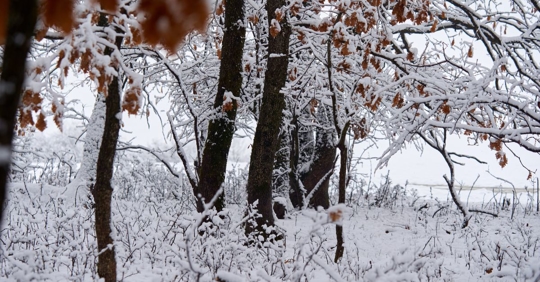
The silent beauty of snow-laden branches can quickly turn into a hazardous situation if not managed properly. Heavy snow and ice accumulation pose significant risks to tree branches, potentially leading to cracks or breaks under excessive strain. When removing snow, gently brush it off with an upward motion using a broom, rather than shaking branches, which can cause further damage. For ice, avoid attempts to forcefully remove it; let the sun and rising temperatures do the work. Encouraging good branch structure through regular pruning can also reduce the risk of breakage. These proactive strategies ensure your trees weather the winter without sustaining avoidable injury.
Shielding Trees from Road Salt Damage
Living in areas where road salting is common can spell trouble for your trees, as salt spray can cause injury to foliage and bark. To minimize the impact, consider selecting salt-tolerant tree species or creating physical barriers, such as burlap screens, that block salt spray from reaching your plants. Additionally, ensure your trees are sufficiently watered, as moisture helps leach salt from the soil, reducing its harmful effects. Implementing these protective practices can ward off damage, preserving your trees' health against the unintended consequences of winter road maintenance.
Identifying and Treating Winter Damage
As spring approaches, it’s essential to assess your trees for any signs of winter damage. Look for frost cracks, split branches, or other physical stress indicators. Addressing broken branches swiftly is vital to prevent insects or pathogens from making them worse. Pruning damaged areas with proper technique restores structural integrity and encourages healthy growth. In the case where damage is severe, consulting with a local arborist can provide insights into effective recovery options. Identifying winter damage early allows you to nurse your trees back to health efficiently, ensuring they continue to brighten your landscape.
Pest and Disease Vigilance in Winter
Winter may slow down visible foliage activity, but it's no holiday for pests and diseases. Scale insects, for example, can diminish a tree’s vigor even during dormant months. Vigilant monitoring for signs of infestations or diseases is the first step towards mitigating damage. Employing dormant oil sprays or other recommended treatments can keep these nuisances at bay. Understanding the specific threats to tree species and implementing pre-emptive measures ensures that your trees remain robust throughout the season. This vigilance is key in fostering a thriving and lively yard year-round.
Regular Inspections for Structural Stability
Regular inspections for structural stability, particularly after snowstorms, are crucial for maintaining tree health and safety. Heavy snow loads or ice can compromise a tree's structural integrity, leading to hazardous situations. Look for leaning trunks, cracked branches, or exposed roots—these are all red flags needing attention. Proactive inspection allows for timely interventions, which can prevent costly damage to both your trees and property. Consistent monitoring helps maintain the quintessential beauty and enduring strength of your landscape.
Long-Term Tree Care Strategies
Sustainable tree maintenance goes hand in hand with long-term tree vitality. Implementing a routine of soil testing and scheduled fertilization promotes robust growth and resilience to winter stressors. Soil testing reveals nutrient deficiencies, guiding fertilization that fortifies trees for future cold spells. Consider deep root feeding in the fall to bolster health before dormancy. These practices not only prepare your trees for future winters but enhance their beauty and productivity throughout the year.
Adapting to Changing Climate Conditions
Climate change introduces variability into winter conditions, posing challenges for tree care in Pennsylvania. Anticipating these changes, homeowners need to remain flexible in their tree care strategies. Selecting tree varieties that demonstrate resilience to diverse climatic conditions can future-proof your landscape. Keep abreast of updated recommendations from local extension services, which offer valuable insights tailored to evolving climate patterns. Proactively adapting your approach to tree care ensures your landscape remains a stunning, resilient feature of your home.
Engage with a Local Arborist from Reverie Tree Experts
Effective tree care during Pennsylvania's winters calls for a mix of strategic preparation, vigilant monitoring, and proactive maintenance. With the guidance of Reverie Tree Experts, homeowners can rely on professional tree care services to protect and nurture their trees through the cold months. Don't let winter weather challenge your landscape's beauty and health. Contact Reverie Tree Experts today and ensure your trees greet the upcoming season with strength and splendor.
Call Reverie Tree Experts now at (267) 508-7102 or send us a message online.